Projects.
Sites, systems and apps I built that are live, for clients and as my own products. At the end, what I did as part of teams at other companies.
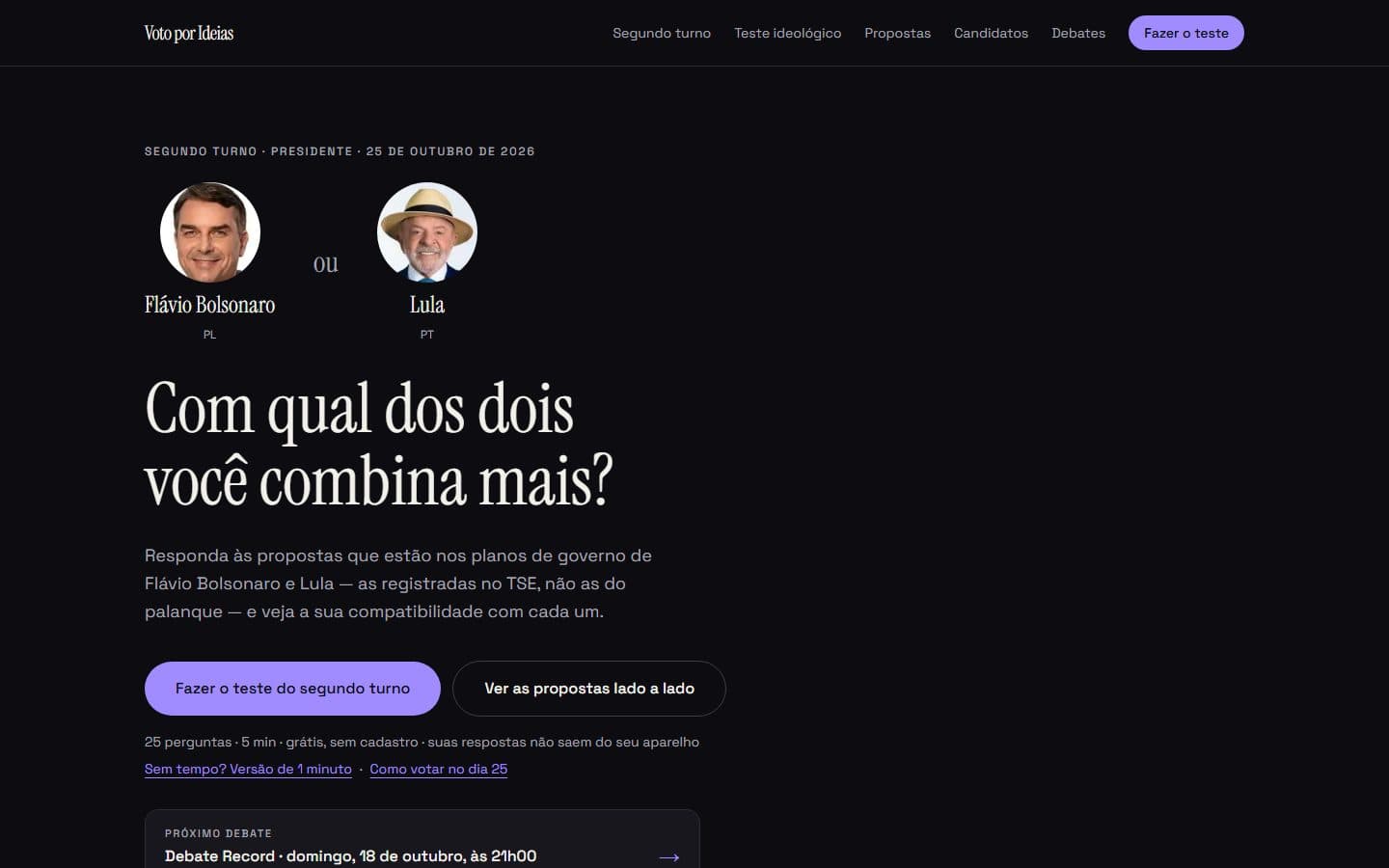
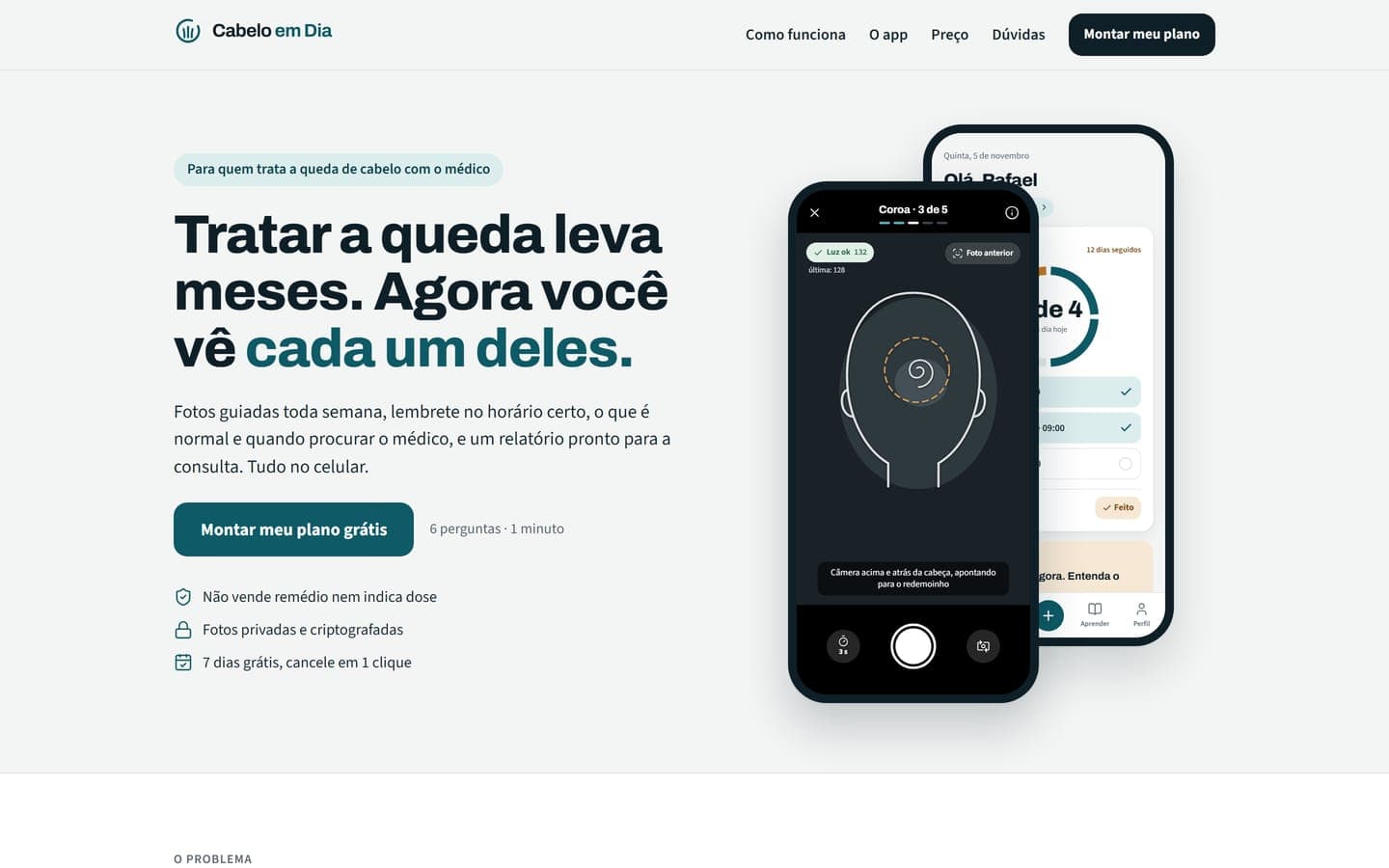



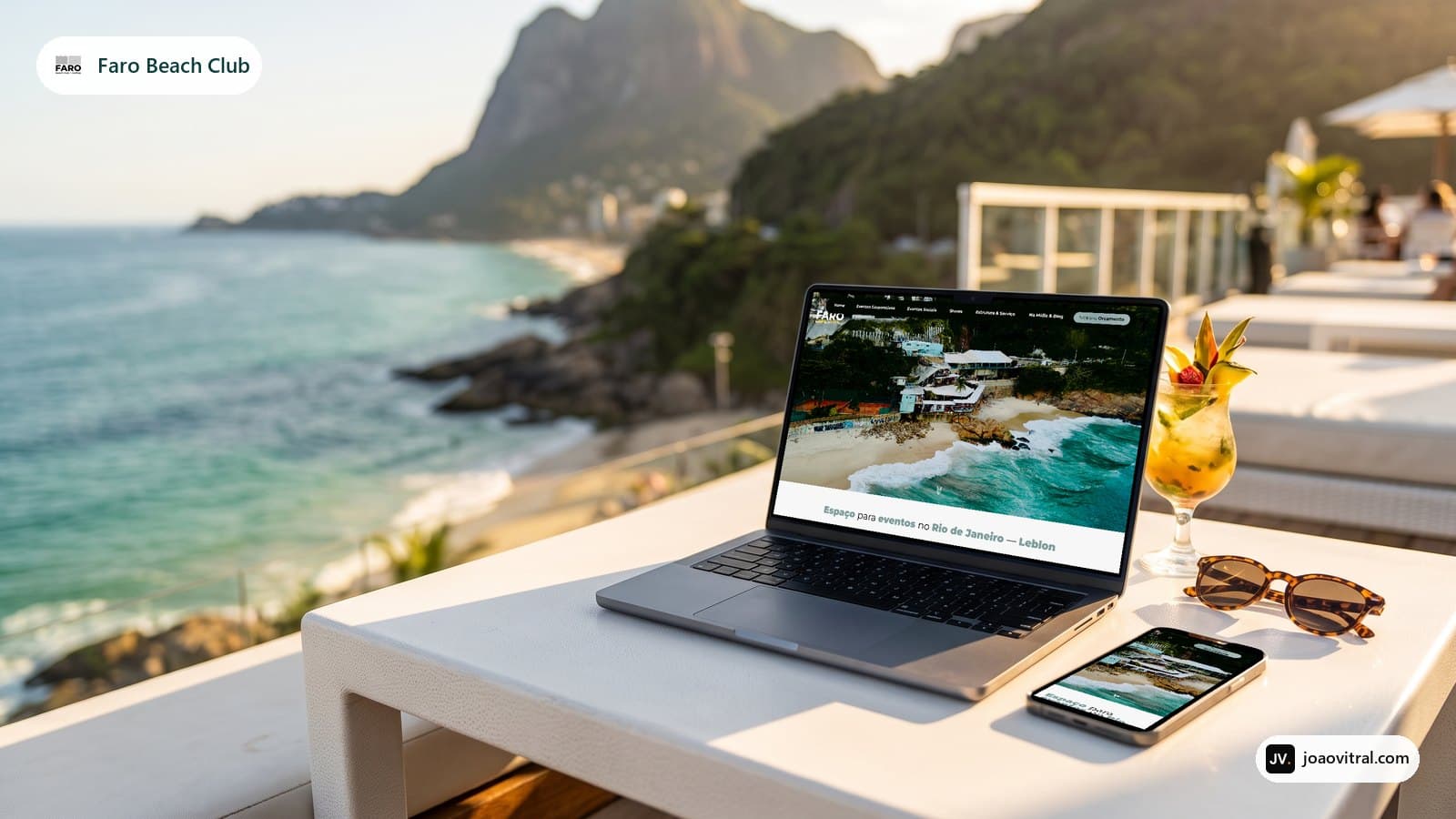
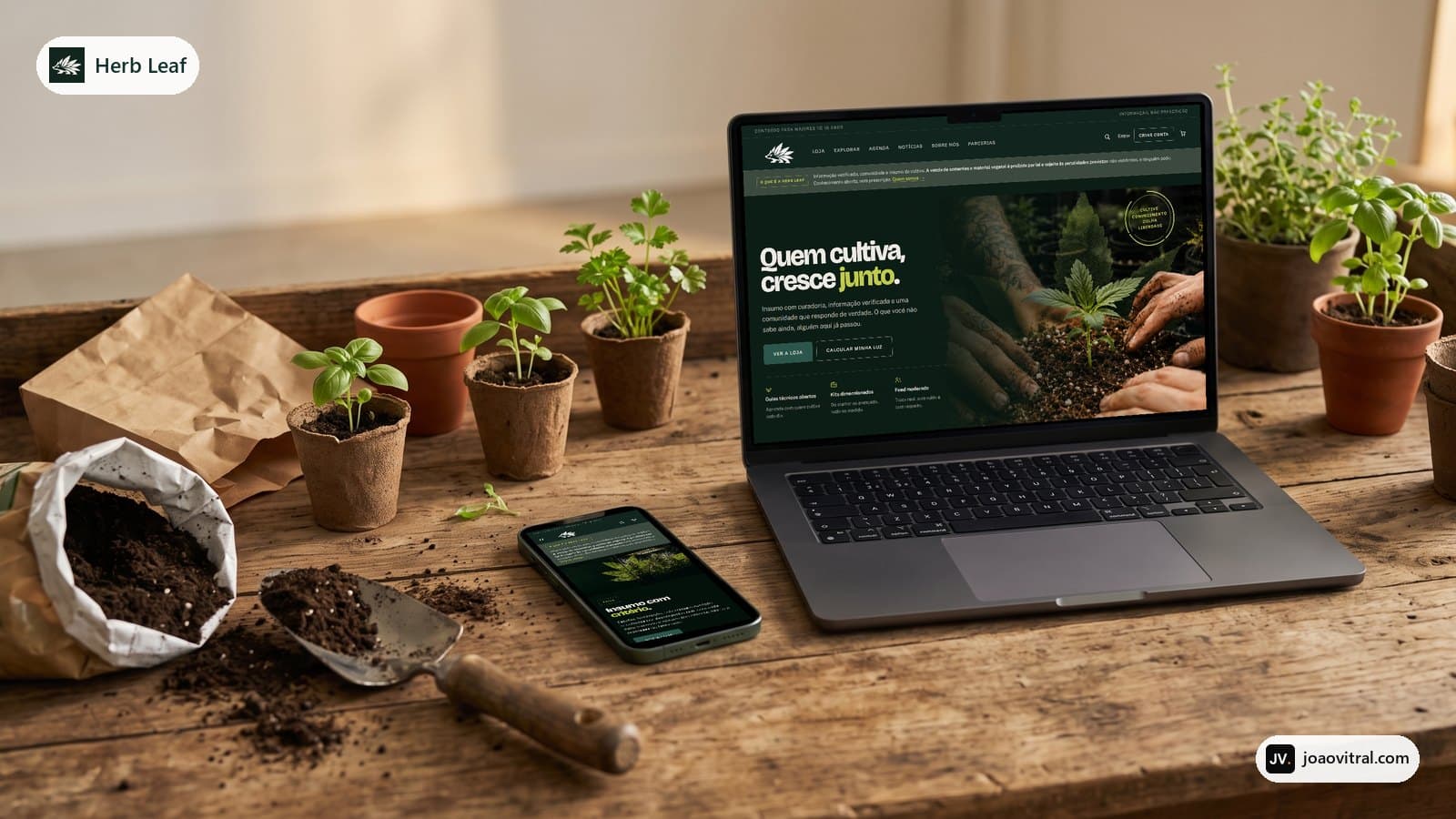










Laboratory
Where I study and experiment.
Outside of work, I use projects to learn what I don't master yet. This is where I get to fail freely — and it's why, on a client's project, I already know what works.
AI & Data
Neural networks applied to real problemsModels trained from scratch for financial time series and medical data classification — part of my Computer Engineering degree at UERJ.
Asset forecasting with RNN and LSTM
Recurrent models applied to 1-minute financial time series, using 5-minute sliding windows to predict the next price movement. The real challenge isn't the network architecture — it's the preprocessing: per-window normalization, handling market gaps, and avoiding data leakage between train and test.
Breast cancer classification with neural networks
A comparative study of how different architectures and activation functions affect breast cancer detection performance, using real and synthetic datasets. With medical data, the metric that matters isn't accuracy: a false negative costs far more than a false positive.
Algorithm analysis and design
Implementation and complexity analysis of classic algorithms, with empirical performance measurements compared against theoretical asymptotic behavior.
Systems & Backend
From web systems to real timeWeb systems and backend APIs, built for study and experimentation.
Ticketing system
A ticket management system in ASP.NET with C#, following the MVC pattern with relational database integration. A study project.
MinerData — real-time collection and visualization
A public-data collection platform with asynchronous processing and a live-updating dashboard via Socket.IO. Node.js backend with PostgreSQL and simulated Elasticsearch indexing; React frontend consuming the same real-time channel.
Full-stack Next.js + Go template
A project structure with Next.js on the frontend and Go on the backend, exploring the performance gains of a compiled service for high-frequency API routes.
Real-time voting — SRE challenge
Prototype for Globo's SRE challenge: a voting API in Go with plain net/http, a Next.js dashboard and Prometheus + Grafana in docker-compose to watch the vote live. Built on challenge time — it's the observability setup, not a load-tested system.
Full-stack
Complete product, from database to interfaceApplications built end to end, several of them as technical challenges solved on short deadlines.
Video lessons platform
A system where teachers publish private videos for their students, with authentication, role-based permissions and a REST API. Django backend with PostgreSQL, Next.js frontend.
Probability battle
An API with battle logic based on level-weighted probability, and a Next.js interface inspired by the classics. A full-stack technical challenge delivered with its own backend, frontend and business rules.
CRUD with Django REST + React
A full-stack application with a Django REST API and a React interface consuming the endpoints — an exercise in clean back-to-front integration.
Personal automation
Tools I use every dayMy own problems solved with code and automation, running on my own VPS. It's where I test first what I later deliver to clients, and sometimes it becomes a product.
Personal finances as a data pipeline
Statements from several banks and brokers normalized into a single ledger, with my own OFX and XLSX parser and an integrity check on credit card bills: if the line items don't add up to the total printed on the PDF, the import aborts. Every number traces back to its source file by hash. The month-end checklist arrives on Telegram, triggered by n8n.
semmarca: watermark-free, metadata-free videos
It started as a personal tool behind a login and became a public product, in Portuguese and Spanish: videos from TikTok, Instagram, X, Facebook and Pinterest in original quality, straight to the phone's gallery. The VPS only resolves links with yt-dlp; the video flows from the platform's CDN to the browser through a Cloudflare Worker, using AES-GCM tokens and a domain allowlist checked on every redirect, and metadata is stripped on the device itself without re-encoding (ffmpeg.wasm when video and audio arrive separately). The server never stores a file. Free up to 10 videos a day; beyond that, a 24-hour or 30-day pass paid via Pix.